AL-KAWTHAR UNIVERSITY
 ALLIED HEALTH SCIENCES



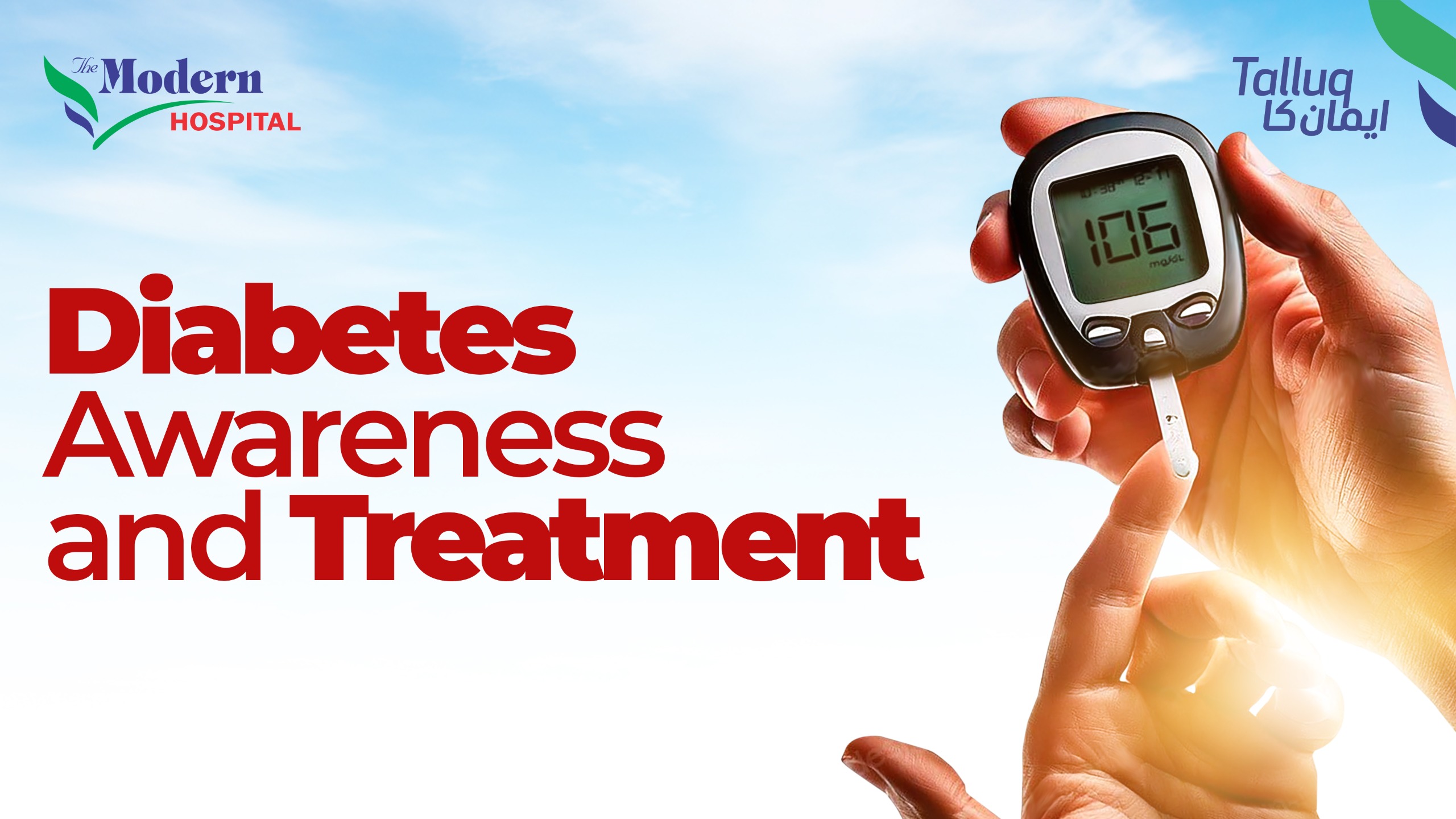
Let’s be clear: diabetes doesn’t appear overnight. It develops slowly, and most people overlook the early warning signs because they think they’re “just tired” or “just thirsty.” That’s how manageable symptoms turn into serious complications.
If you want to stay healthy, you must pay attention before the problem becomes bigger.
What Is Diabetes?
Diabetes mellitus, commonly known as diabetes, is a condition where there is too much glucose (sugar) in your blood.
Normally, a hormone called insulin controls your blood glucose levels. Insulin helps move glucose from your blood into your cells, where it’s used for energy.
When the body doesn’t produce enough insulin or doesn’t respond properly to it, glucose stays in the bloodstream, causing hyperglycemia (high blood sugar).
Diabetes occurs when:
-
The pancreas cannot make enough insulin, or
-
The body does not respond properly to insulin
Types of Diabetes
1. Type 1 Diabetes
An autoimmune condition where the immune system destroys insulin-producing cells in the pancreas. The body produces little or no insulin. It usually develops in children and young adults but can appear at any age.
2. Type 2 Diabetes
The most common type (about 90% of cases). The body becomes resistant to insulin or doesn’t produce enough. It generally affects adults but is increasing among younger people due to sedentary lifestyles and obesity.
3. Gestational Diabetes
Develops during pregnancy due to hormonal changes causing insulin resistance. It usually resolves after childbirth but increases the mother’s risk of developing type 2 diabetes later.
4. Prediabetes
Blood sugar levels are higher than normal but not high enough for a diabetes diagnosis. It is a major warning sign for type 2 diabetes.
Early Signs of Diabetes You Should Take Seriously
1. Constant Thirst & Frequent Urination
Drinking excessively and running to the bathroom often may indicate your body is trying to flush out excess sugar.
2. Persistent Fatigue
Not “I slept late” tired — real exhaustion. When cells don’t get enough glucose, your energy drops.
3. Slow-Healing Wounds
Cuts, bruises, or infections taking too long to heal are a major red flag. High sugar affects circulation and immunity.
4. Blurred Vision
Fluctuating glucose levels can temporarily distort your vision.
5. Unexplained Weight Loss or Weight Gain
Sudden changes in weight — without trying — can indicate metabolic issues.
6. Tingling or Numbness (Hands/Feet)
Early nerve damage (neuropathy) can begin even before diagnosis. Don’t ignore it.
Treatment Options That Actually Work
1. Lifestyle Changes (Yes, they matter!)
Most people think they’re doing “okay” while overeating, not moving, and stressing. Fix that first.
-
Reduce sugar and refined carbs
-
Walk at least 30 minutes daily
-
Eat whole, unprocessed food
-
Lose 5–7% of body weight to improve sugar control
2. Oral Medications
If your doctor prescribes medicines, take them consistently. Common options include:
-
Metformin
-
SGLT2 inhibitors
-
DPP-4 inhibitors
3. Insulin Therapy
If lifestyle changes and medications aren’t enough, insulin helps. It’s not a punishment — it’s a tool that saves lives.
4. Continuous Monitoring
Stop guessing your sugar levels. Use:
-
A glucose meter
-
Or a Continuous Glucose Monitor (CGM), if available
You can’t manage what you don’t measure.
5. Regular Checkups
Feeling “fine” doesn’t mean your sugar is under control. Diabetes can silently damage your eyes, kidneys, nerves, and heart.
Take Control Before It Controls You
Diabetes doesn’t have to take over your life but ignoring it certainly will.
Recognize the signs early, get tested, and act consistently. Managing diabetes is not about perfection; it’s about discipline and daily effort.
#DiabetesAwareness,EarlySignsYouShouldn’tIgnoreandWhattoDoAboutThem
News & Blogs