AL-KAWTHAR UNIVERSITY
 ALLIED HEALTH SCIENCES



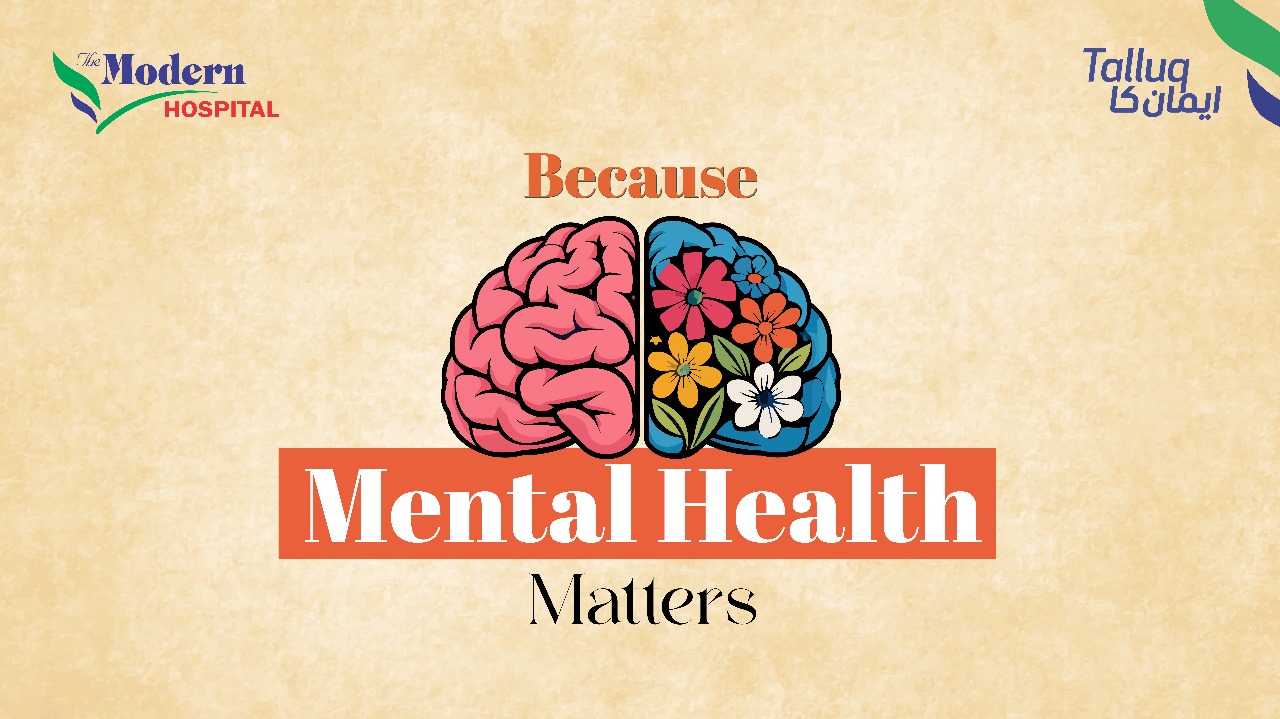
The Importance of Mental Health Awareness
Mental Health Awareness is essential for understanding how stress and anxiety affect our daily lives. By increasing awareness, individuals can seek help when needed and reduce the stigma surrounding mental health issues. Education and open conversations play a key role in promoting emotional well-being.
Most people wait until they’re completely burnt out before they admit something’s wrong. Stress and anxiety don’t show up overnight, and they don’t disappear just because you pretend you’re fine. If you keep ignoring your mental health, it eventually catches up with you.
What Is Stress?
Stress is a natural human response to situations that feel difficult to manage or out of our control. It might be pressure from a heavy workload, overwhelm after a conflict, or thoughts that keep you awake at night.
Stress is sneaky. It doesn’t shout; it creeps in quietly.
Common signs you may be ignoring:
-
Poor sleep
-
Irritability or snapping at others
-
Feeling mentally overloaded (“10 tabs open, 9 frozen”)
-
Working without actually functioning
Stress becomes dangerous when you normalize it. If your routines feel like survival mode, that’s not strength. It’s exhaustion disguised as discipline.
Physical Symptoms of Long-Term Stress
Prolonged release of stress hormones can cause:
-
Headaches
-
Muscle tension
-
Racing heartbeat
-
Stomach upset
Stress and Anxiety
Anxiety is also a natural response to challenges, but when it becomes overwhelming, it can impact your daily life and well-being.
Common Symptoms of Anxiety:
-
Constant restlessness
-
Racing heart
-
Excessive worrying
-
Feeling on edge
-
Avoiding people or decisions
-
Fatigue and difficulty concentrating
-
Trouble sleeping
Anxiety isn’t “overthinking.”
It’s your brain firing alarms even when nothing is wrong.
This isn’t weakness. It’s your mind asking for help.
How Hospitals and Mental Health Professionals Actually Help
Forget the old mindset that going to a hospital means something extreme. Modern mental healthcare is practical, structured, and supportive.
1. Proper Assessment
Professionals evaluate what’s happening physically and mentally. No guesswork, no random advice, just real diagnosis.
2. Evidence-Based Treatment
This may include:
-
Counseling or therapy
-
Stress-management techniques
-
Medication if required
-
Practical coping strategies
3. Crisis Support
If you experience panic attacks, severe anxiety, or emotional breakdowns, hospital teams can help stabilize you safely.
4. Follow-Up Care
Mental health recovery needs ongoing guidance, check-ins, and support. Hospitals ensure continuity of care.
This is the support people should take seriously instead of waiting for burnout to take control.
Be Mindful
Mindfulness is a simple, accessible tool for managing stress. Research shows mindfulness practices can help reduce anxiety, improve sleep, increase focus, and boost mood.
It can be done anytime, anywhere, and even a few minutes a day can make a difference.
News & Blogs